
Gliricidia sepium

Vernacular names
(In territories with significant traditional TRAMIL use)
Martinique:
- glysérya
Honduras:
- madriado
Geographical distribution
Native of tropical America, cultivated in the tropics as a shade plant.
Botanical description
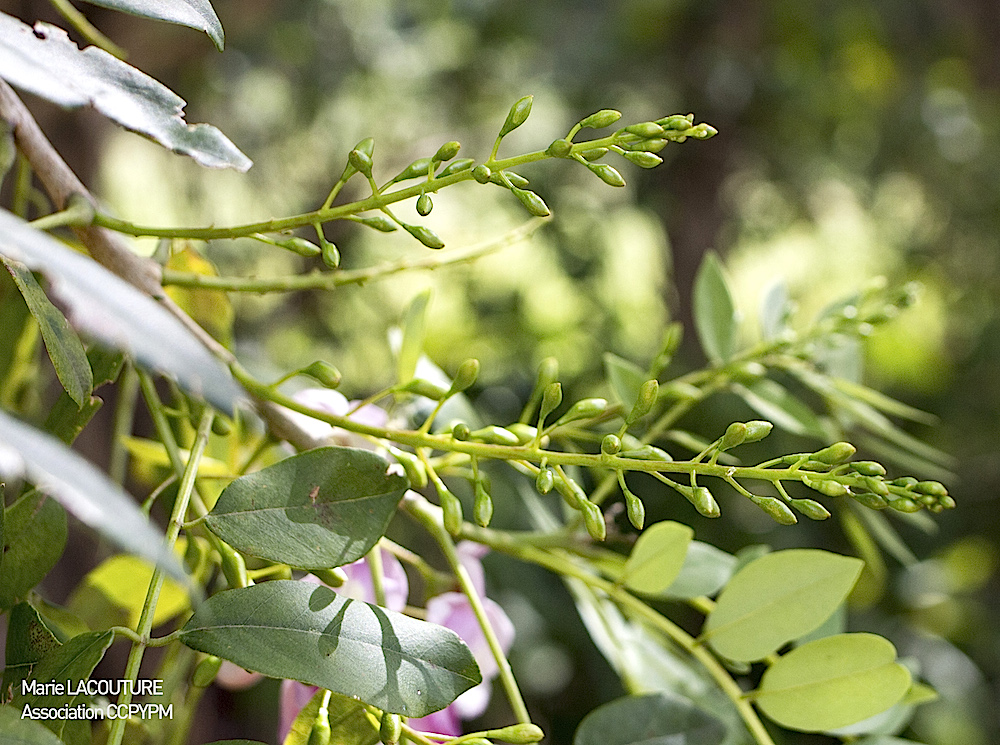
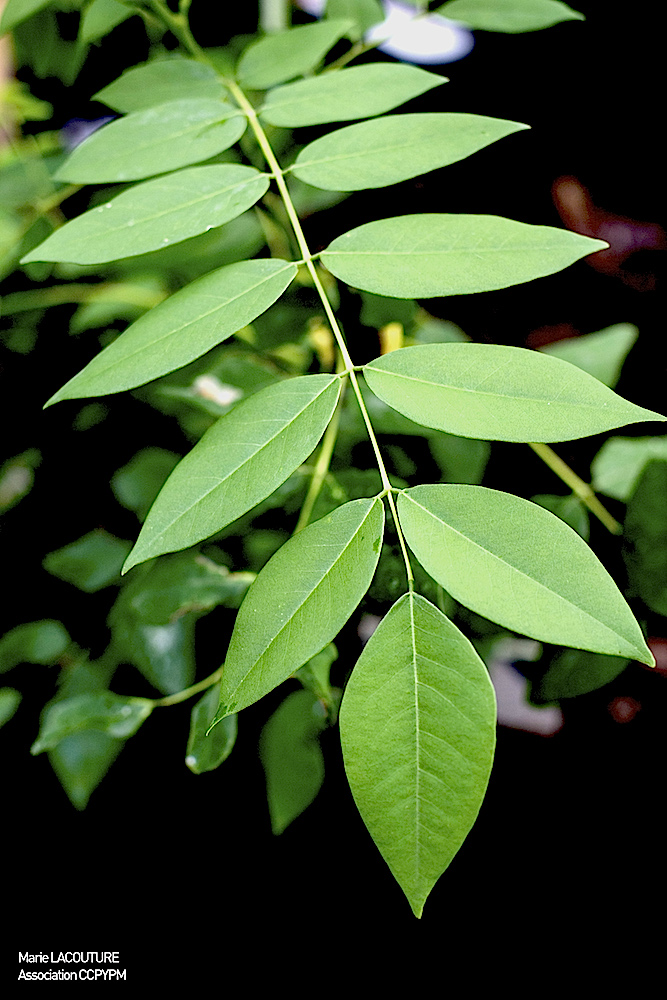
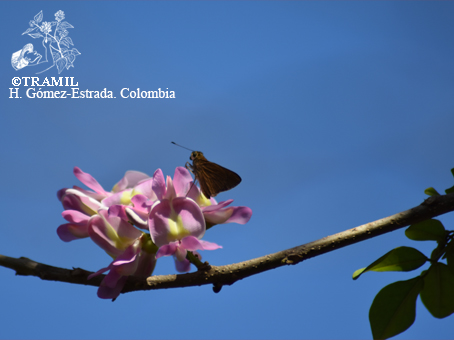
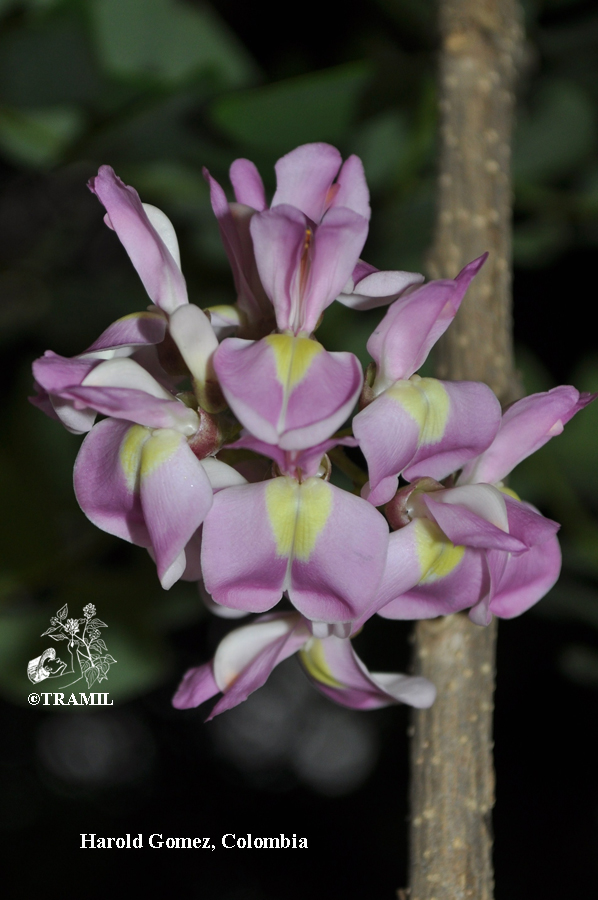
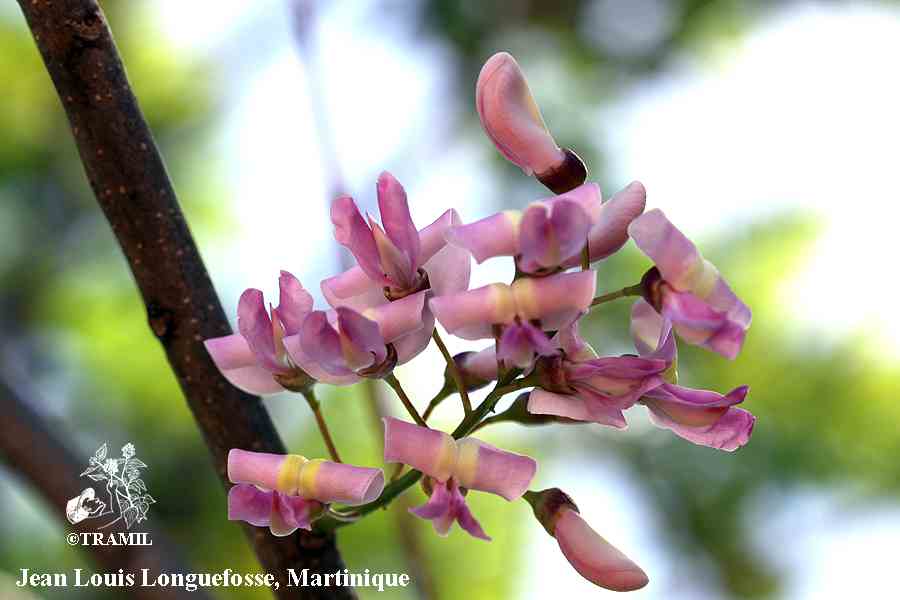
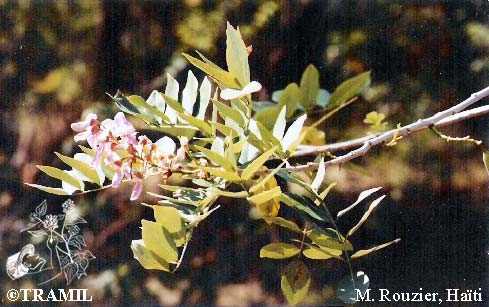
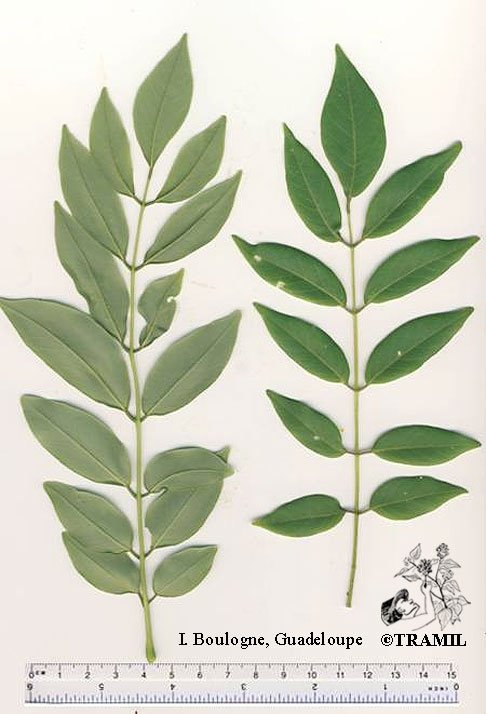
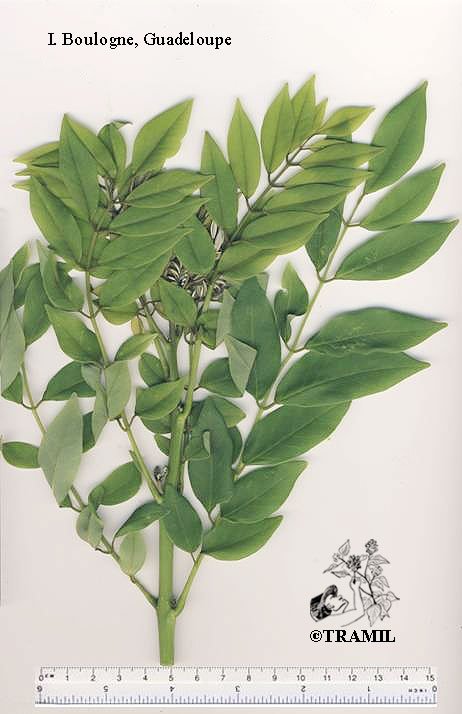
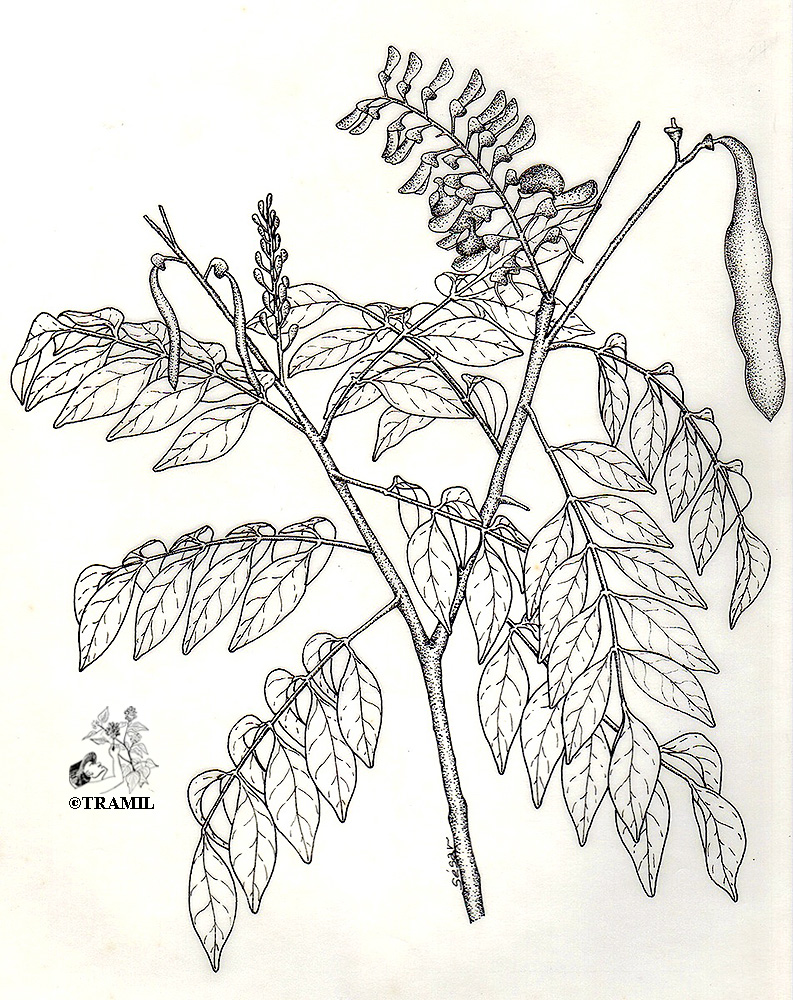
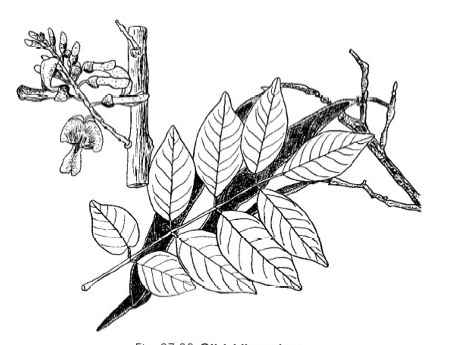
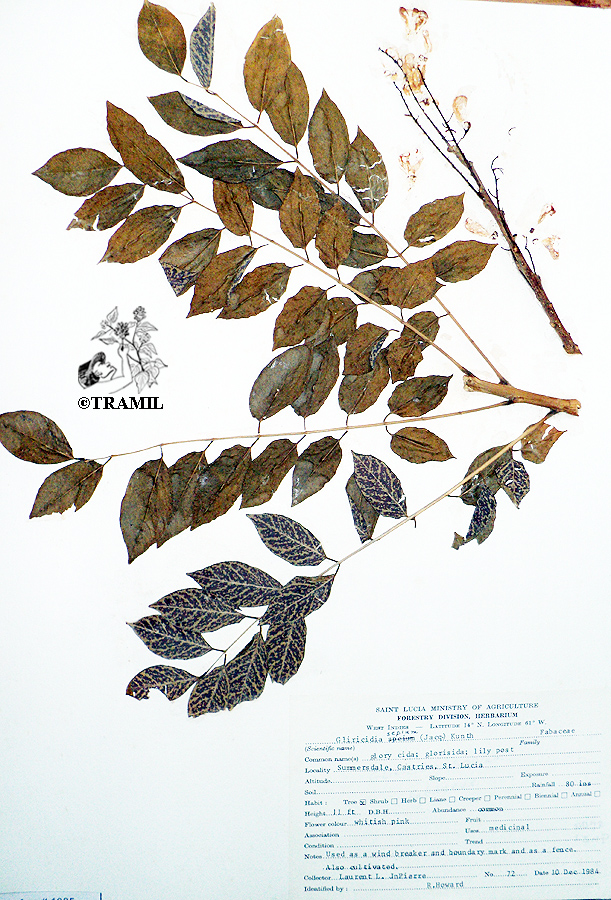
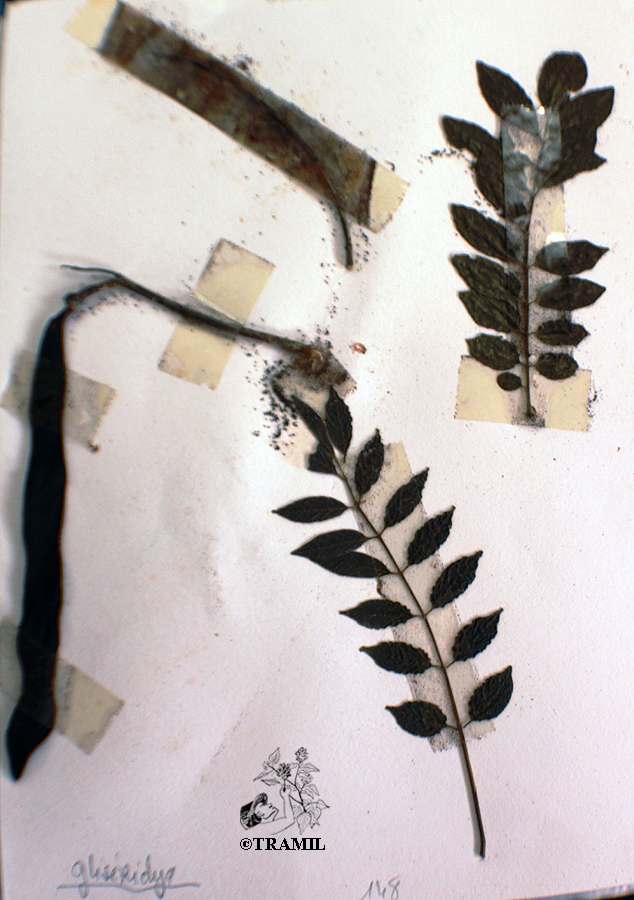
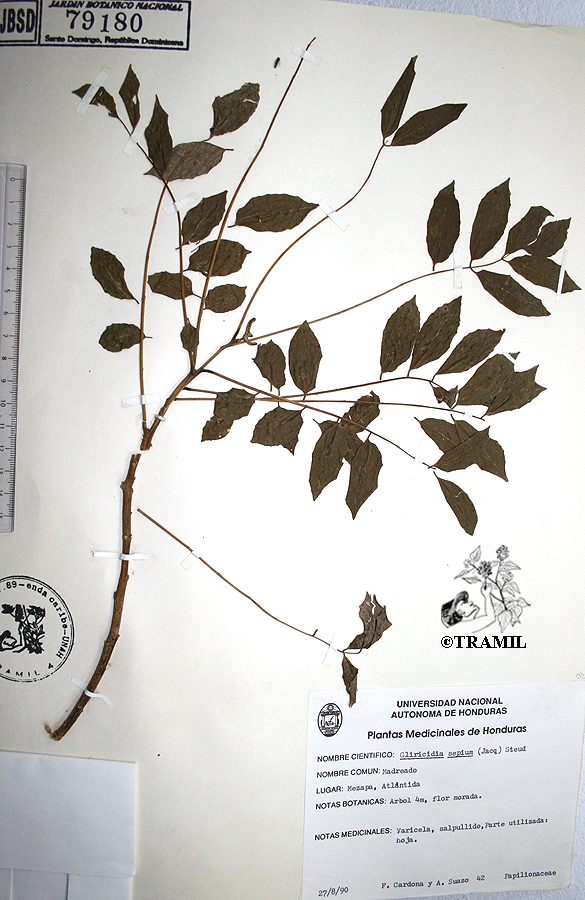
Deciduous shrub or tree, up to 20 m. Imparipinnate compound leaves of 12 to 30 cm in length, with 7 to 25 leaflets, ovate or elliptic, glabrous on the upper side and sparsely pubescent on the underside; it has purple spikes when dry. Racemose inflorescence 5 to 7 cm; flowers with oblique calyx, erect petals 2 cm, pink in colour. Fruit, flattened linear pods of 10 to 15 cm, yellowish-brown to coffee-coloured lenticular seeds.
Voucher(s)
Ochoa,283,HPMHV
Suazo&Cardona,42,HPMHV
Longuefosse&Nossin,148,HAVPM






Pharmacopoeia
Ed.3References
1 LAGOS-WITTE S, TINOCO R, MERLO V, 1996
Encuesta complementaria TRAMIL. Laboratorio de Histología Vegetal y Etnobotánica, Dep. de Biología, Universidad Nacional Autónoma de Honduras UNAH, Tegucigalpa, Honduras.
2 LONGUEFOSSE JL, NOSSIN E, 1990-95
Enquête TRAMIL. Association pour la valorisation des plantes médicinales de la Caraïbe AVPMC, Fort de France, Martinique.
3 COMISION NACIONAL PARA EL CONOCIMIENTO Y USO DE LA
BIODIVERSIDAD, 2010 Gliricidia sepium: www.conabio.gob.mx/conocimiento/info_especies/arboles/doctos/29-legum19… (18/11/2011)
4 CALLE J, RIVERA A, JOSEPH-NATHAN P, 1987
Pinitol from the leaves of Gliricidia sepium. Planta Med 53(3):303.
5 DAYAL R, 1985
Phytochemical investigation on flowers of Gliricidia sepium. J Indian Chem Soc 62(2):171.
6 RASTRELLI L, CACERES A, DE SIMONE F, AQUINO R, 1999
Studies on the constituents of Gliricidia sepium (Leguminosae) leaves and roots: Isolation and structure elucidation of new triterpenoid saponins and aromatic compounds. J Agric Food Chem 47(4):1537-1540.
7 WINA E, MUETZEL S, BECKER K, 2005
The Impact of saponins or saponin-containing plant materials on ruminant productions: A Review. J Agric Food Chem 53(21):8093-8105.
8 ROJAS JJ, OCHOA VJ, OCAMPO SA, MUÑOZ JF, 2006
Screening for antimicrobial activity of ten medicinal plants used in Colombian folkloric medicine: A possible alternative in the treatment of non-nosocomial infections. BMC Complementary and Alternative Medicine 6(1):2.
9 CACERES A, LOPEZ BR, GIRON MA, LOGEMANN H, 1991
Plants used in Guatemala for the treatment of dermatophytic infections. I. Screening for antimicotic activity of 44 plant extracts. J Ethnopharmacol 31(3):263-276.
10 ZULUAGA A, UPEGUI I, RODRIGUEZ CJ, OCAMPO MC, RESTREPO M, PARRA
GJ, TORRES Y, 2005
Ensayo clínico fase I para evaluar la terapia con Gliricidia sepium en lesiones cutáneas de primates de la familia Cebidae. Rev CES Med 19(1):9-19.
11 CACERES A, LOPEZ B, GONZALEZ S, BERGER I, TADA I, MAKI J, 1998
Plants used in Guatemala for the treatment of protozoal infections. I. Screening of activity to bacteria, fungi and American trypanosomes of 13 native plants. J of Ethnopharmacology 62(3):195-202.
12 CACERES A, LOPEZ B, GONZALEZ S, BERGER I, TADA I, MAKI J, 1998
Plants used in Guatemala for the treatment of protozoal infections: I. Screening of activity to bacteria, fungi and American trypanosomes of 13 native plants. J Ethnopharmacol 62(3):195-202.
13 DHAWAN BN, PATNAIK GK, RASTOGI RP, SINGH KK, TANDON JS, 1977
Screening of Indian plants for biological activity. VI. Indian J Exp Biol 15(3):208-219.